
Contact us
Get in Touch with a Travel Expert
+51 984 006 313
Call us to tailor your trip
+51 975 575 478
Chat with a Travel Expert
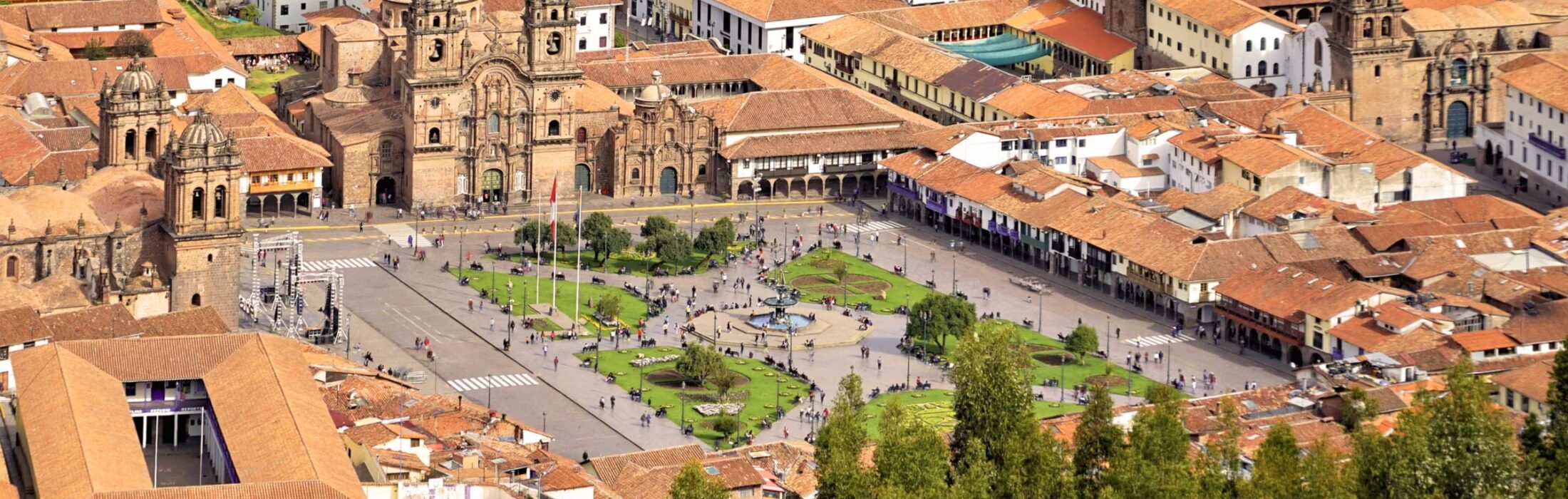
Cusco is one of Peru’s most emblematic cities and an essential destination for travelers interested in the history, culture and landscapes of the Andes. As the former capital of the Inca Empire, the city is full of archaeological remains, impressive colonial buildings and a rich tradition that is still alive today. Here’s everything you need to know about Cusco to make the most of your visit.
Cusco was the capital of the Inca Empire, one of the greatest civilizations of pre-Columbian America. During its heyday, between the 15th and 16th centuries, the city was the political, religious and cultural center of the vast empire that extended over much of the Andean region. The Incas built a network of roads, temples, palaces and fortresses in the city, many of which are still preserved. The most famous archaeological site in the city is Sacsayhuamán, a fortress that shows the impressive architectural skill of the Incas.
After the arrival of the Spanish conquistadors in 1533, Cusco underwent a significant transformation. The colonizers built churches and buildings on top of the Inca structures, fusing elements of Inca and Spanish culture. This has resulted in a city with a rich mix of colonial architecture and indigenous heritage, making it a fascinating place to explore.
Cusco is located at approximately 3,400 meters above sea level, making it one of the highest cities in Peru. This altitude, while impressive, also has health implications for travelers, especially those who are not accustomed to the high altitudes of the Andes.
The altitude can affect people arriving from lower elevations, causing symptoms such as fatigue, headache, nausea and shortness of breath. Therefore, it is important to take precautions when arriving in Cusco to avoid altitude sickness and fully enjoy the experience.
Altitude sickness is a common phenomenon for those visiting Cusco and other high altitude cities in the Andes. The body may have difficulty adapting to the lower amount of oxygen in the air at high altitudes. The most common symptoms of altitude sickness are headaches, dizziness, nausea, loss of appetite and difficulty sleeping.
To prevent altitude sickness, it is advisable to take a day to acclimatize to the altitude upon arrival in Cusco. During this time, avoid strenuous physical activity and drink plenty of water. Some people also choose to take preventive medication, but it is always advisable to consult a doctor before taking any medication.
In addition, it is important not to rush into hiking or trekking at high altitudes, such as the Rainbow Mountain (Vinicunca), until you have spent at least 24 hours in the city and allow your body to get used to the altitude.
Cusco offers a variety of activities for travelers, from exploring archaeological sites such as the famous Plaza de Armas and Qorikancha (the Temple of the Sun), to hiking in the Sacred Valley or enjoying the delicious local cuisine. The city is also the gateway to nearby wonders such as Machu Picchu, one of the seven new wonders of the world, which can be visited from Cusco by train or walking the Inca Trail.
Cusco is a city that not only offers a fascinating history and rich cultural heritage, but is also a destination full of adventure, stunning scenery and unforgettable experiences. Whether you are looking to explore its Inca past, enjoy its gastronomy or simply relax and soak up the city’s unique atmosphere, Cusco will captivate you from the moment you arrive. Just remember to take the necessary precautions due to the altitude and acclimatize to enjoy all that this magical city has to offer.