Contact us
Get in Touch with a Travel Expert
+51 984 006 313
Call us to tailor your trip
+51 975 575 478
Chat with a Travel Expert
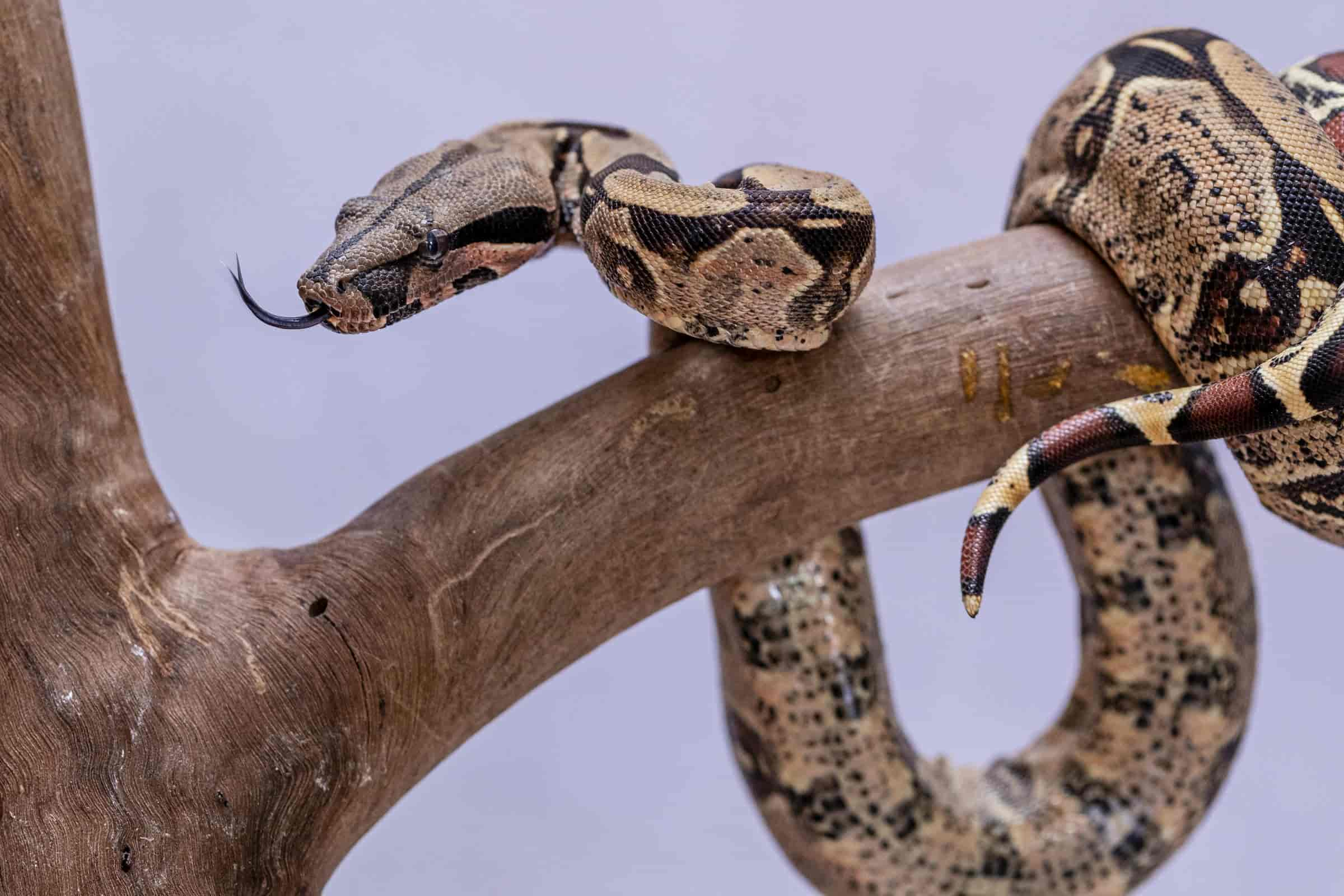

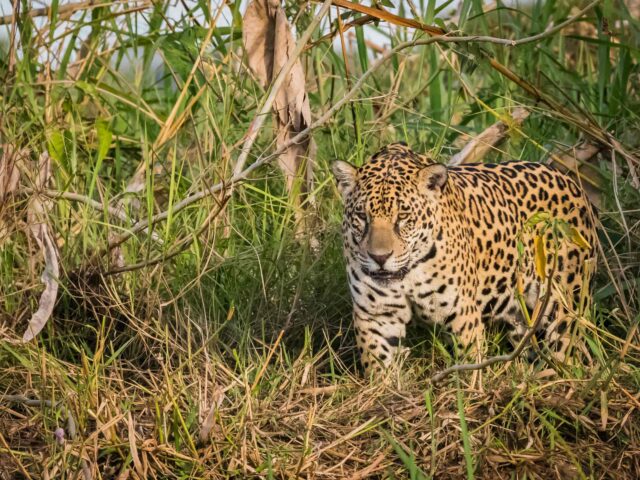
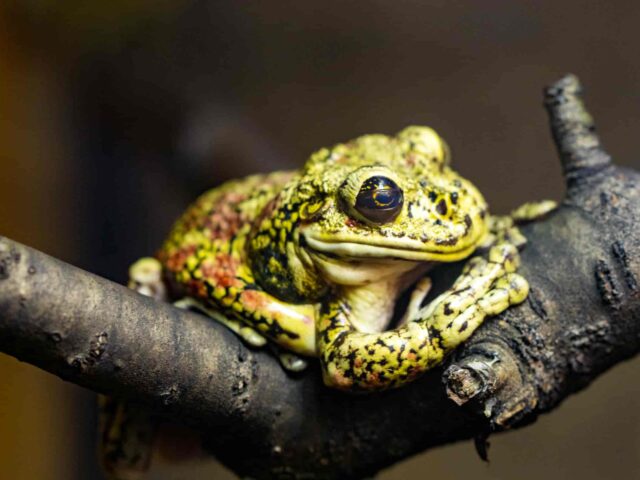
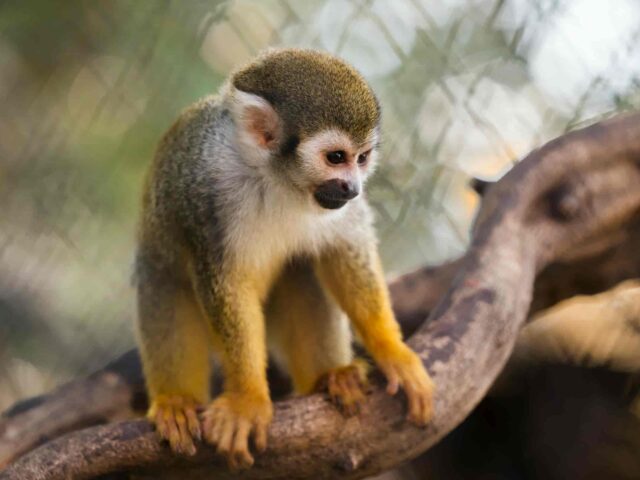
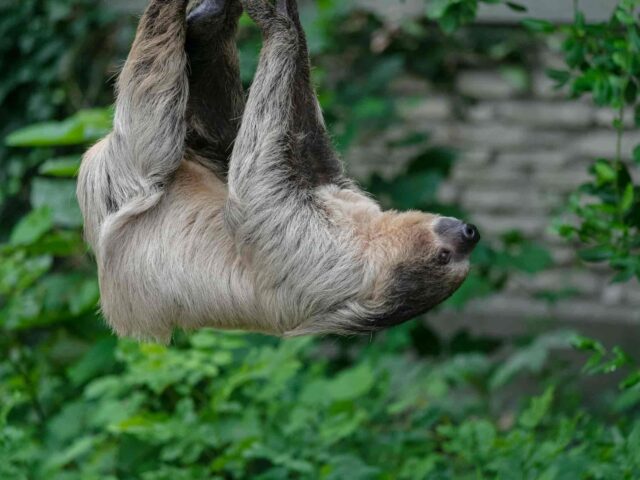
The Amazon Rainforest, often called the “lungs of the Earth,” is one of the most vital and diverse ecosystems in the world. Covering over 2.1 million square miles (5.5 million square kilometers), it stretches across nine countries in South America, with the largest portion located in Brazil. This vast, green ocean of trees is home to more than 10% of the world’s known species, including jaguars, pink river dolphins, and countless varieties of birds, reptiles, and insects. The Amazon’s biodiversity is extraordinary, with thousands of species found nowhere else on Earth.
The Amazon is not just an incredible habitat for wildlife; it plays a crucial role in regulating the global climate. Its dense forest canopy absorbs vast amounts of carbon dioxide, helping to slow down climate change. Additionally, the rainforest releases significant amounts of oxygen into the atmosphere, making it essential for maintaining Earth’s air quality. The Amazon River, flowing over 4,000 miles (6,400 kilometers), is another key feature, carrying more water than any other river on the planet and supporting diverse aquatic life.
For centuries, the Amazon has also been home to various Indigenous communities, who have developed a deep connection with the forest. They rely on its resources for food, medicine, and shelter, embodying a sustainable relationship with nature that’s both ancient and wise. Today, however, the Amazon faces significant threats from deforestation, illegal mining, and climate change, putting both its wildlife and Indigenous communities at risk.
Exploring the Amazon Rainforest means diving into a world unlike any other—a place of mystery, beauty, and life. It’s a reminder of the natural world’s power and fragility and highlights why conservation efforts are essential to preserving this irreplaceable ecosystem for future generations.