Travel Guide
Recommendations
- Acclimate to the Altitude: Ensure you are acclimated to Cusco’s altitude before embarking on your hike to Ausangate. This is the best way to ensure a smooth and enjoyable trip. We recommend spending at least 3 days in Cusco before the excursion.
- Protect Your Phone: We recommend storing your phone inside your sleeping bag and keeping it warm during the day, such as in a pocket. Batteries tend to drain quickly due to the cold.
- Bring Two Pairs of Shoes: One for hiking and another for camping. If your hiking shoes get wet, you will have a dry pair.
- Sleeping Bag Requirements: Ensure your sleeping bag can withstand -15°C, as it gets very cold. We rent Mountain Hard Wear sleeping bags, which are excellent for the Ausangate area.
- Prepare for Cold Temperatures: The Ausangate Trek reaches elevations of 4,400 meters, meaning much colder, almost freezing temperatures. If you decide to undertake the 4-day Ausangate hike, ensure you wear very warm clothing.
- Sunglasses Are Essential: Sometimes snow falls, and the reflection can damage your eyes, potentially causing temporary blindness for about 24 hours.
Canvas Bag We will provide you with a canvas bag at our office at the end of your informational session. This bag must be given to the porter on the first day, and the horse will carry it—you will only have access to it at the campsites. Place your clothes and other personal items that you won’t need during the hike in the bag. Items such as water, snacks, a first aid kit, and rain gear should remain in your backpack. The bag should weigh 7 kg.
Strikes Strikes and road blockages are common in Peru and can disrupt our 4-day Ausangate trek. We will do our best to ensure your Ausangate hike proceeds as planned with some adjustments.
- If a strike occurs on the first day of your 4-day Ausangate hike, we will transport you to the trailhead the night before your start date.
- If a strike occurs on the day you finish your 4-day Ausangate trek, we will send our transport to Kayrawiry the night before. Therefore, you will depart at 5 PM as strikes end at 5 PM and arrive in Cusco around 10 PM.
Ausangate Climate The weather in the Andes is unpredictable. The dry season in Ausangate is from April to October, which are the most recommended dates for the Ausangate Trek, while the rainy season is from November to March. However, rain can occur during the dry season, and sunshine can appear during the rainy season, so be prepared. Regardless of the season you undertake the Ausangate hike, ensure you have rain gear, such as a rain jacket, rain pants, poncho, and waterproof gloves.
Travel Insurance We recommend obtaining travel insurance because if you cancel your 4-day Ausangate trek at the last minute, it can refund your prepaid money. Additionally, if you become ill or injured while away from home, it can reimburse covered emergency medical care while traveling.
Physical Requirements This trek is challenging due to the altitude, so being in good physical condition is highly recommended. Elevation changes during the Ausangate hike make it difficult, as there are four passes throughout the trek.
Accommodation Options for Solo Travelers During the 4-day Ausangate trek, solo travelers will be paired to share a tent with another traveler of the same gender, while couples will have a tent to themselves.
Pre-Departure Meeting There is a mandatory pre-departure informational meeting at our Cusco office one day before your Ausangate departure at 6 PM. You will meet your guide, who will provide detailed information about your hike, a packing list, rental equipment options, and general questions. Our office is located at: Calle Márquez 250, Second Floor, Office 03, Cusco, Peru.
Best Time for the Ausangate Trek The best time to trek Ausangate is from May to September, which is the dry season in the Cusco region. This period offers more chances of clear skies, allowing you to see the Andes in their full glory. You can still trek in April, October, November, and December, but it is necessary to have good rain gear. We do not recommend trekking Ausangate in January and February due to frequent rain almost every day.
Tipping Tipping is common during the 4-day Ausangate trek. On the last day of the adventure, we will bid farewell to our incredible porters and professional chefs. This is the appropriate time to tip them. Any extra amount is always greatly appreciated. Please note that tipping is not mandatory, and you should never feel obligated to do so.
Typically, our clients pool their tip money for the chef and porters. The porter retires when the trek ends, so that is the appropriate time to tip. You can tip your cook when you arrive at the warehouse where all the equipment is left. For the guide, tips are given once they drop you off at your hotel. You decide the amount based on your experience with them. Soles are preferred for our porters and chefs. Guides can accept both U.S. dollars and soles without any issues.
Our Recommendations:
- Porters: 50 – 60 soles per porter.
- Chefs: 80 – 120 soles per chef.
Recommendations for the 4-Day Ausangate Trek The 4-day Ausangate Trek is an incredible adventure for those seeking to experience the pure beauty of the Andes. As it is a demanding trek, it is important to consider the following recommendations:
- Hire a Local Guide: It is highly recommended to undertake this trek with an experienced guide who knows the safe routes and can provide useful information about the environment.
- Acclimate Before the Trek: The altitude can be challenging, reaching over 5,000 meters in some sections. It is essential to acclimate in Cusco for a few days before starting.
- Careful Planning: Before starting, ensure you have enough food, proper equipment, and check the weather conditions, as the weather can change rapidly in this region.
Climate on the Ausangate Trek The climate in the Ausangate region is unpredictable and depends on the season.
- Dry Season (May to September): This is the best time to trek. During the day, temperatures usually range between 10°C and 15°C, while at night they can drop to -5°C or lower.
- Rainy Season (October to April): During the rainy season, trails can become slippery and more dangerous. Daytime temperatures are similar, but humidity is high, and it can be even colder at night due to precipitation.
Clothing Tips Due to variable temperatures and unpredictable weather, proper attire is essential for this trek.
- Layered Clothing: It is ideal to dress in layers to easily adapt to temperature changes. Wear a breathable long-sleeved base layer, followed by a thermal layer, and finish with a waterproof jacket to protect against wind and rain.
- High-Quality Trekking Boots: The terrain is rugged and challenging, so wearing trekking boots with good grip and ankle support is essential.
- Winter Accessories: Due to the cold, especially at night, do not forget to bring thermal gloves, a hat, and a scarf to protect against the cold mountain winds.
Restrictions on the Ausangate Trek There are some restrictions to consider before embarking on the 4-day Ausangate trek.
- Recommended Age: Due to the altitude and physical difficulty, this trek is not recommended for young children or elderly individuals without prior trekking experience.
- Individuals with Health Issues: Those with heart, respiratory, or hypertension conditions should consult a doctor before undertaking the trek, as the extreme altitude can exacerbate these conditions.
Physical Preparation for the Ausangate Trek The 4-day Ausangate Trek is physically demanding and requires adequate preparation.
- Pre-Trek Physical Condition: It is advisable to be in good physical shape before embarking on this trek. Engaging in cardiovascular exercises, such as running or hiking on inclined terrains, can help prepare you.
- Acclimation Hikes: Before undertaking this trek, try to perform other hikes at moderate altitudes, such as the Rainbow Mountain or the Laguna Humantay trek, to help your body adjust to the lack of oxygen.
Health Recommendations for the Ausangate Trek Taking care of your health during the 4-day trek is crucial due to the climate, altitude, and physical effort involved.
- Constant Hydration: Carry enough water and ensure you stay hydrated regularly. The altitude can cause you to dehydrate faster than usual.
- Altitude Sickness Prevention: Extreme altitude can cause altitude sickness. Bring coca leaves or medications recommended by a doctor to prevent and treat symptoms.
- Sun Protection: Even on cold days, the sun at high altitudes is very strong. Don’t forget to use sunscreen, wear sunglasses, and a hat to protect yourself from UV rays.
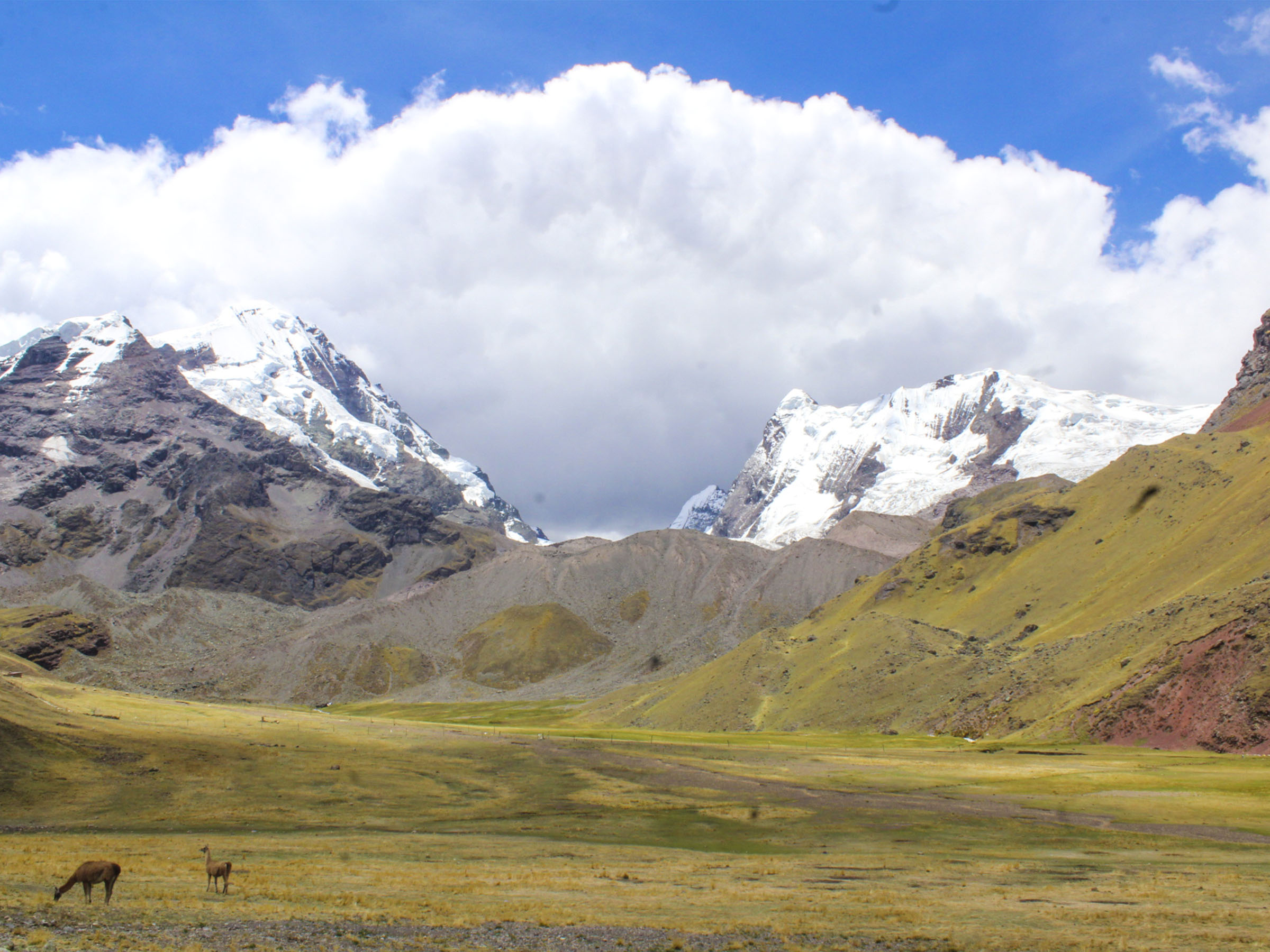
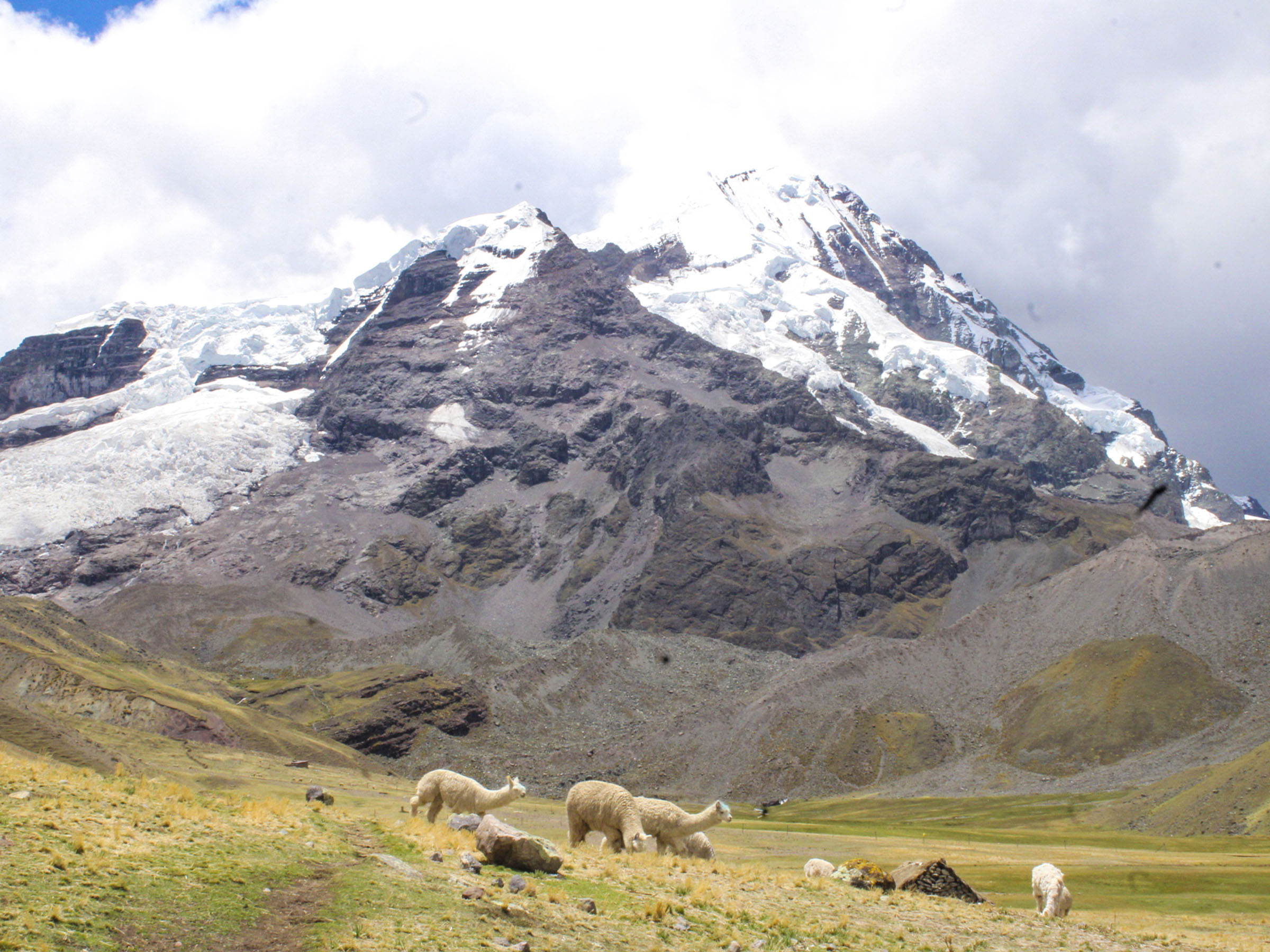
Altitudes on the Ausangate Trek The 4-day Ausangate Trek is renowned for its stunning high-altitude landscapes.
- Average Altitude: Throughout the 4 days, you will hike at altitudes ranging between 4,000 and 5,200 meters above sea level. Proper acclimation is crucial to avoid health issues.
- Maximum Altitude: The highest point of the trek is Paso Palomani, which reaches 5,200 meters above sea level. At this point, it is common to experience the effects of altitude sickness if you are not well acclimated.
Temperatures During the Ausangate Trek Temperatures vary significantly over the 4 days of the trek.
- Daytime Temperatures: In the dry season, daytime temperatures typically range between 10°C and 15°C, although the wind can make it feel colder.
- Nighttime Temperatures: At night, temperatures drop drastically, often falling below -5°C. It is essential to have a suitable sleeping bag for these conditions.