Travel Guide
Recommendations (Salkantay Trek Tips)
Best Time to Trek
The optimal seasons for the Salkantay Trek are during the dry season from May to October. These months offer clearer trails and more predictable weather, enhancing the trekking experience.
Choosing a Tour Operator
Select a reputable tour operator that provides experienced guides, quality equipment, and sustainable practices. Reading reviews and verifying certifications can ensure a safe and enjoyable trek.
Accommodation Options
Most 5-day treks include camping, but some operators offer alternative options like eco-lodges or refugios for added comfort. Decide based on your comfort level and budget.
Permits and Documentation
Ensure all necessary permits are secured in advance. Your tour operator typically handles this, but it’s essential to confirm to avoid any last-minute issues.
Weather (Salkantay Trek Climate)
Temperature Ranges
Temperatures can vary significantly. During the day, expect mild to warm temperatures, but nights can drop below freezing, especially at higher altitudes.
Rainfall Patterns
The trek experiences most of its rainfall between November and April. Trekking during the dry season minimizes the risk of rain-related challenges.
Seasonal Variations
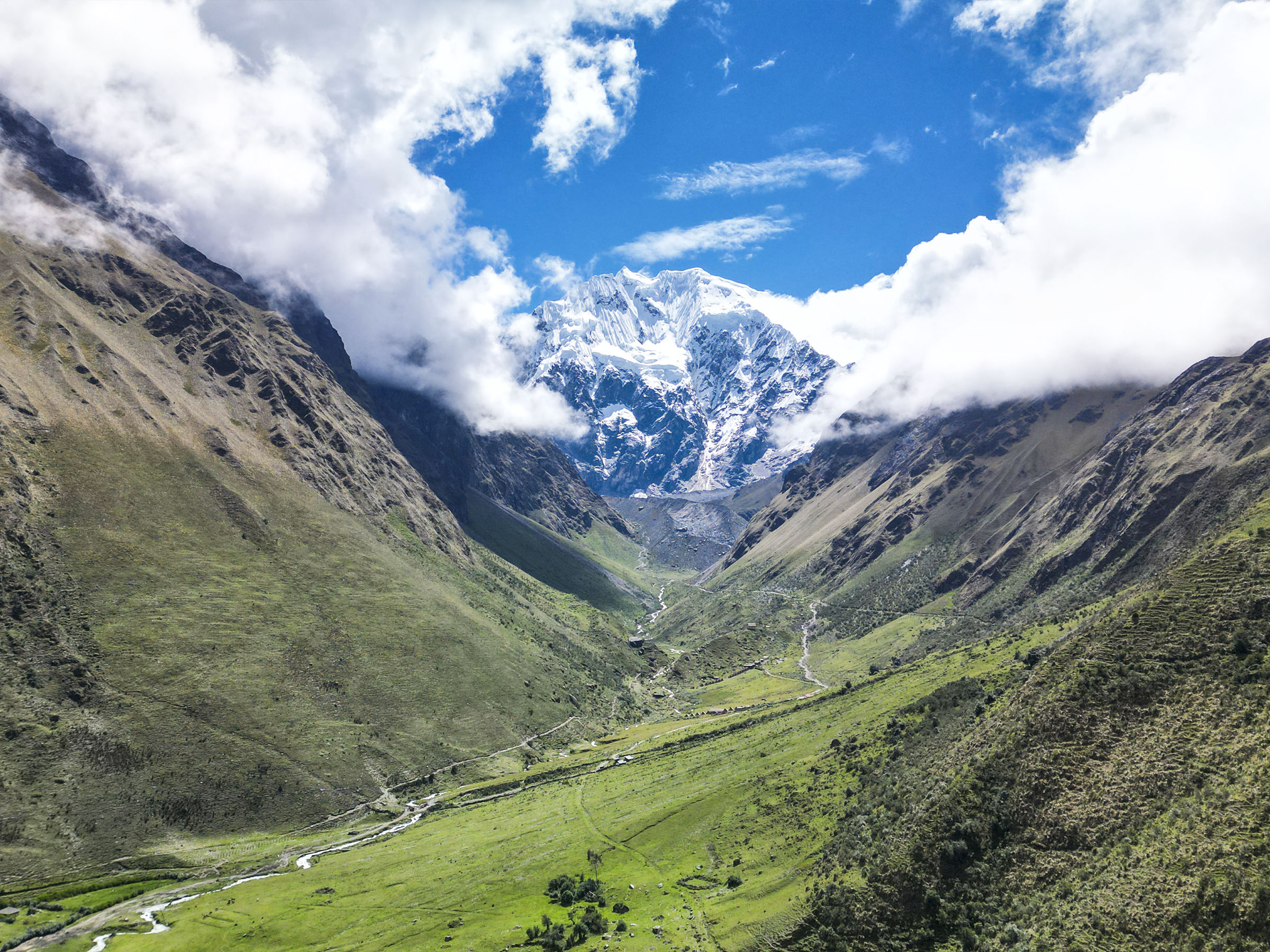
Different seasons offer unique landscapes. The dry season provides clear mountain views, while the wet season showcases lush, green scenery.
Tips (Salkantay Trek Advice)
Acclimatization
Spend at least two days in Cusco before starting the trek to acclimate to the high altitude and reduce the risk of altitude sickness.
Packing Essentials
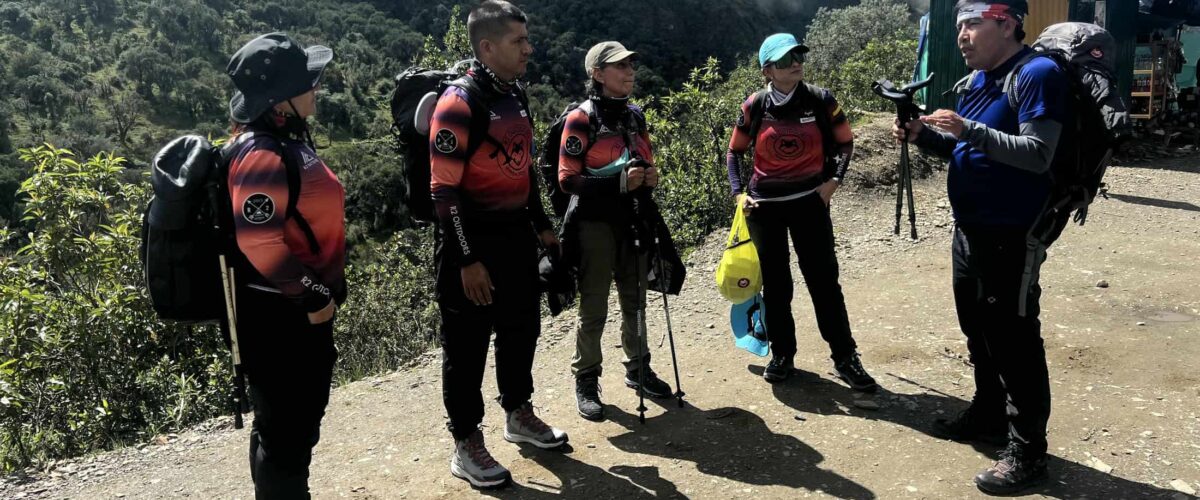
Bring lightweight, moisture-wicking clothing, a good quality sleeping bag, trekking poles, and a reliable backpack. Don’t forget a reusable water bottle and waterproof gear.
Navigation and Safety
Stay on marked trails, follow your guide’s instructions, and keep a map handy. Carry a basic first-aid kit for minor injuries.
How to Dress (Salkantay Trek Clothing)
Layered Clothing System
Use a base layer for moisture management, a middle layer for insulation, and an outer layer for protection against wind and rain. Layers allow you to adjust to changing temperatures.
Footwear Recommendations
Invest in sturdy, waterproof trekking boots with good ankle support. Break them in before the trek to prevent blisters.
Accessories
Wear a wide-brimmed hat for sun protection, gloves for cold nights, and sunglasses to shield your eyes from UV rays.
Restrictions (Trek Limitations)
Weight Limits
Adhere to weight restrictions for your backpack to ensure comfort and mobility during the trek. Typically, a maximum of 20-25 kg is recommended.
Environmental Guidelines
Follow Leave No Trace principles. Dispose of waste properly, minimize your environmental impact, and respect local flora and fauna.
Age and Fitness Requirements
The Salkantay Trek is physically demanding. Ensure you meet the minimum age requirement and have the necessary fitness level to undertake the trek safely.
Physical Preparation (Fitness for Salkantay Trek)
Cardiovascular Training
Engage in activities like hiking, running, or cycling to build endurance. Aim for at least 30 minutes of cardio exercise, three times a week.
Strength Training
Focus on leg strength through exercises like squats, lunges, and step-ups. Core strengthening is also beneficial for balance and stability.
Hiking Practice
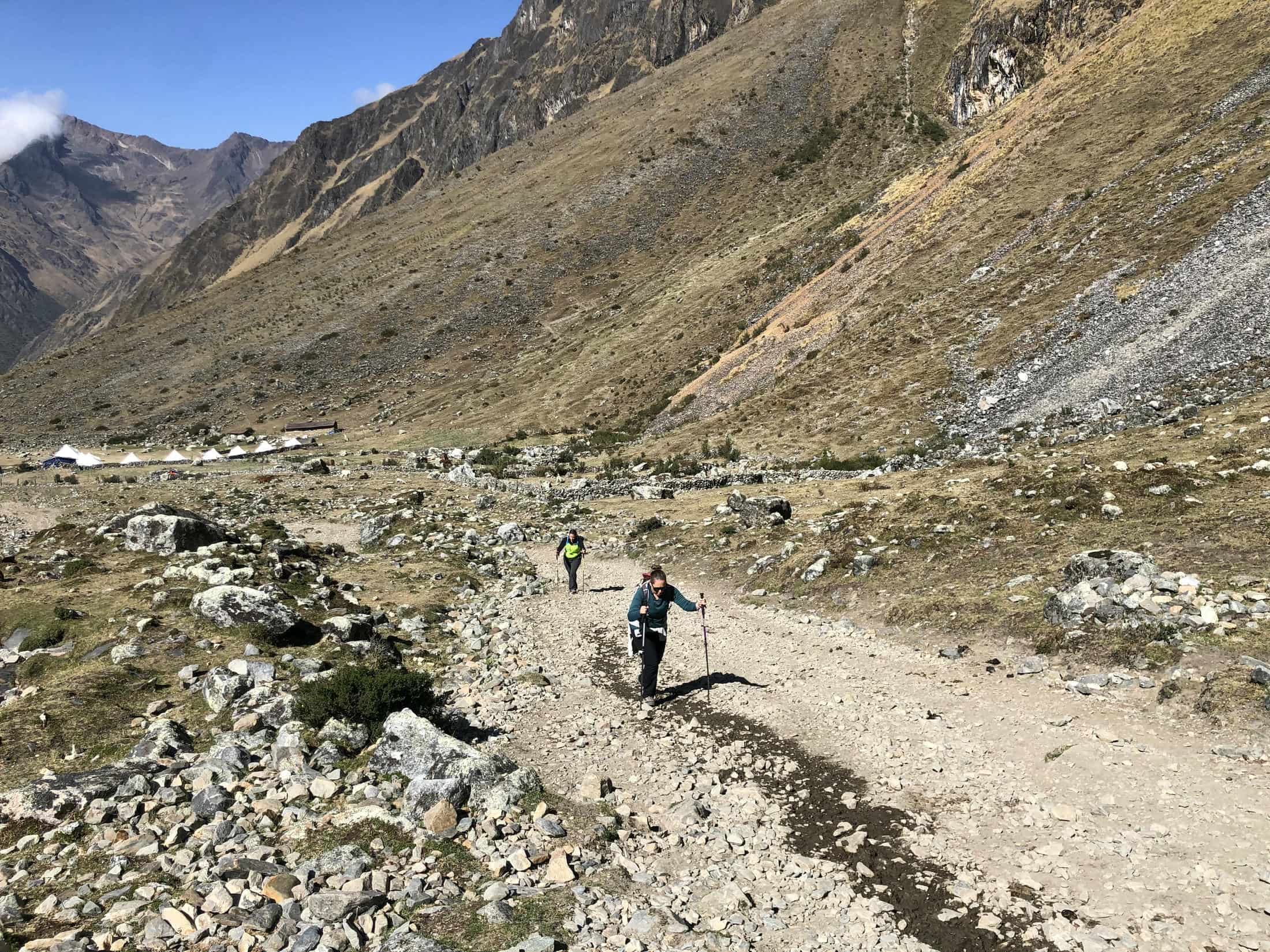
Simulate trekking conditions by hiking with a weighted backpack on varied terrain. This prepares your body for the demands of the trek.
Health Recommendations (Wellness on the Trek)
Altitude Sickness Prevention
Stay hydrated, ascend gradually, and consider medication like acetazolamide after consulting a healthcare provider. Recognize symptoms early and communicate with your guide.
Vaccinations and Medications
Ensure you are up-to-date on routine vaccines. Consult a travel doctor about additional vaccinations and necessary medications for the trek.
Nutrition and Hydration
Maintain a balanced diet rich in carbohydrates, proteins, and fats. Drink plenty of water and use water purification methods to stay hydrated and healthy.
About Cusco (Base City Information)
Altitude Information
Cusco sits at approximately 3,400 meters (11,200 feet) above sea level. Acclimatization is crucial to avoid altitude sickness before embarking on the trek.
Temperature Overview
Cusco experiences mild temperatures, with cooler nights. Pack accordingly to stay comfortable as you explore the city and prepare for your trek.
Local Tips
Explore Cusco’s rich history, including the Plaza de Armas and nearby ruins. Engage with locals to learn about the culture and gain insights for your trek.
Transportation
Cusco is well-connected by air and road. Arrange transportation to the trailhead in advance, considering the distance and travel time required.
By following these guidelines and preparing adequately, your 5-day Salkantay Trek from Cusco will be a memorable and rewarding adventure.