
Contact us
Get in Touch with a Travel Expert
+51 984 006 313
Call us to tailor your trip
+51 975 575 478
Chat with a Travel Expert
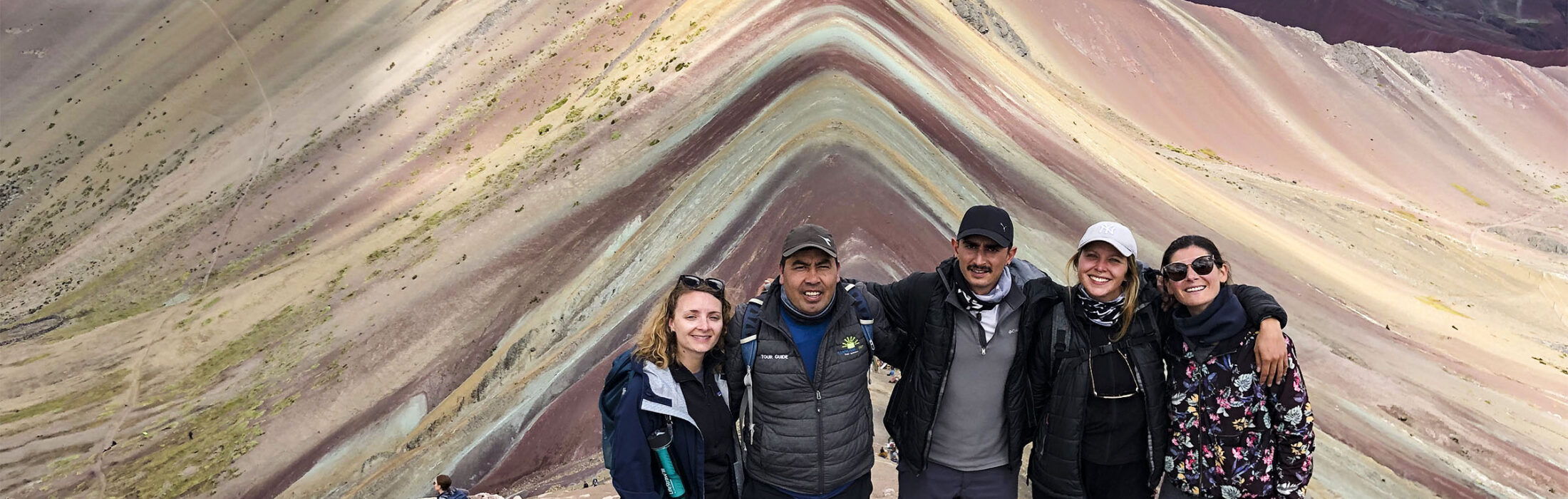
Rainbow Mountain, also known as Vinicunca, has become one of the most popular destinations for travelers visiting Peru. Located in the Cusco region, at an altitude of over 5,000 meters above sea level, this spectacular mountain, famous for its vibrant colors, offers a unique experience. However, due to the extreme altitude, many tourists experience altitude sickness, also known as soroche, which can affect their well-being and make hiking difficult. In this article, we will explore what altitude sickness is, how it affects the body and what measures to take to prevent it and make the most of your visit to Rainbow Mountain.
Altitude sickness or soroche is a set of symptoms that can occur when the body does not adequately adapt to the decrease in oxygen at high altitude. This generally occurs above 2,500 meters above sea level, but in places like Rainbow Mountain, which is over 5,000 meters, the risk increases considerably.
Symptoms of altitude sickness vary from mild to severe and include:
Rainbow Mountain is located at a considerable altitude, and due to the scarcity of oxygen at these altitudes, it is common for visitors to experience symptoms of altitude sickness. Because the hike to the summit is demanding, the physical exertion coupled with the altitude can aggravate symptoms. If proper precautions are not taken, altitude sickness can negatively affect the experience, and even in severe cases, can put health at risk.
Rainbow Mountain is located in an elevated area of the Peruvian Andes, which means that many tourists travel from lower altitude levels, such as Cusco (at about 3,400 meters), which increases the risk of altitude sickness. In addition, the hike to the summit is demanding, which can cause symptoms to intensify.
One of the most effective ways to prevent altitude sickness is to allow your body to gradually acclimatize to high altitudes. If possible, spend at least a couple of days in Cusco or other higher altitude locations before going to Rainbow Mountain. This will allow your body to get used to the lower oxygen concentration.
Staying well hydrated is key to avoiding altitude sickness. The air at high altitudes tends to be drier, so the body loses fluids more quickly. Drinking enough water will help prevent symptoms and keep the body in good condition.
Alcohol and caffeine can dehydrate the body, which increases the risk of altitude sickness. It is advisable to avoid these beverages during your stay in high altitude areas.
Eating light, easy-to-digest meals can help avoid the digestive problems that often accompany altitude sickness. Eating fruits, soups and low-fat foods is recommended.
Some travelers choose to take medications such as diamox (acetazolamide), which helps prevent and alleviate the symptoms of altitude sickness. However, it is important to consult a doctor before taking any medication. In addition, there are traditional herbs in the region, such as mate de coca, which many people find helpful in relieving altitude sickness.
Rather than rushing to the top of the mountain, it is important to take the time to ascend slowly and rest regularly. This helps the body to better adapt to the altitude and reduces the risk of altitude sickness.
Altitude sickness is a common challenge in places like Rainbow Mountain, but with proper preparation and a few precautions, it is possible to minimize its effects and enjoy this incredible experience. Remember that acclimatization, hydration, proper nutrition and a slow pace are key to ensuring that your Rainbow Mountain adventure is safe and memorable – don’t let altitude sickness stop you from enjoying one of the most amazing landscapes in the world!